8 Important Reasons Why You Should Use Herbal Antibiotics Versus Traditional Antibiotic Prescriptions.
Learn why natural herbal antibiotics are safer and just as effective as prescription antibiotics in most cases when you are sick.


Herbal natural antibiotics are very effective. It is just that most of you reading this article don’t know what herbs to use or how to take them effectively. You may not realize the problems with using prescription antibiotics. Read today’s article!
Originally published by Cathryn Freer on my website at https://www.conquercancerandhealthchallengesusingherbs.com/
What are the serious, sometimes life-threatening issues with taking antibiotic prescriptions?
NOTE: I will state here that there is a use for traditional standard medicine antibiotics when a bacterial infection is causing a critical condition in the patient, such as blood poisoning, serious blood infections, or severe infections such as lung or intestinal infections, nasty infected wounds, and when hospitalization or medical intervention is needed.
“According to the Centers for Disease Control and Prevention (CDC), each year more than 2 million Americans become unwell from drug-resistant bacteria, resulting in over 35,000 annual deaths.”
“Antimicrobial resistance is an urgent global public health threat, killing at least 1.27 million people worldwide and associated with nearly 5 million deaths in 2019.”
“When Clostridioides difficile—a germ (bacterium) that is not typically resistant to antibiotics but can cause deadly diarrhea and inflammation of the colon and is associated with antimicrobial use—is added to these, the U.S. toll of all the threats in the report exceeds 3 million infections and 48,000 deaths.”
https://www.cdc.gov/antimicrobial-resistance/about/index.html
If it’s a virus, prescription antibiotics will not work. The herbs work against both bacterial and viral infections, including COVID-19.
Moreover, antibiotics are toxic to cells. Studies have documented their toxicity to cellular structures and mitochondria. A 2019 study even found an increase in all-cause mortality with chronic use of antibiotics (over two months), especially in older adults (over age 60).
Antibiotics disrupt and destroy your gut flora. They kill both the bad and the good bacteria in your gut. You will develop diarrhea, yeast infections, and stomach pain after using antibiotics for a few days
Each antibiotic is created to kill a certain set of bacteria. Often, you must have a sample sent in to determine if your illness is sensitive to a particular antibiotic.
Antibiotics have some nasty side effects listed below. It depends on the antibiotic, the dose, the duration of treatment, and the individual’s sensitivity to the drug. The patient's age matters as well.
- Antibiotic-associated diarrhea that can persist for weeks after stopping the antibiotic! You can have it so severely that you get bloody diarrhea.
- Nausea, upset stomach, and vomiting
- Yeast infections vaginally, in your mouth, and/or on your tongue!
- Anaphylaxis is a life-threatening allergic reaction!
- Serious allergic skin reactions and other allergic reactions
- Vein complications from intravenous (IV) use of antibiotics (phlebitis)
- Tooth discoloration in children <8 years
- liver toxicity
- photosensitivity
- Jaundice (clindamycin)
- Nerve pain or neuropathy pains all over the body.
- Sore throat, which is so bizarre because you're often taking the antibiotic for a throat infection.
“Pseudomembranous colitis occurs in the colon and can cause severe inflammation, irritation, and swelling. Clostridioides difficile (C. diff) is the main cause of pseudomembranous colitis. Symptoms of C. diff include diarrhea, abdominal pain, and fever.
Antimicrobial-resistant infections that require the use of second- and third-line treatments can harm patients by causing serious side effects, such as organ failure and prolonged care and recovery, sometimes for months.”
About Antimicrobial Resistance | Antimicrobial Resistance | CDC
5 Important Reasons why you should try herbal antibiotics!

Herbs are effective against many types of bacteria, viruses, and fungal infections. So, pretty much whatever you are dealing with, herbs will stop the infection.
Herbs do not disrupt and destroy your gut flora. Your immune system is created in your gut. When your gut is compromised, so is your immune function.
How Your Gut is Important in Creating Healthy Immune Function
“Our gut microbiome plays a crucial role in the immune system by influencing the production of immune cells, the integrity of the gut barrier, and the regulation of inflammation.
A balanced gut microbiome supports immune function by training immune cells to differentiate between harmful invaders and harmless substances, such as food or pollen. This training is essential for the immune system’s ability to respond appropriately to various environmental factors and pathogens.
When the gut microbiome is imbalanced, a condition known as dysbiosis, it can lead to immune dysfunction, chronic inflammation, and increased susceptibility to infections and autoimmune conditions. The gut also communicates directly with the immune system through metabolites such as short-chain fatty acids (SCFAs), which support immune function by reducing pro-inflammatory signals.
Maintaining a healthy gut microbiome is vital for overall health, as it contributes to the body’s ability to respond to stress, regulate metabolism, and prevent autoimmune diseases. A diverse and stable gut microbiome is a key indicator of good health, reflecting a well-balanced system that can adapt to changes in diet and lifestyle. In summary, the gut microbiome is a powerful network within the human body that influences immune health, digestion, and overall well-being. “ https://www.casi.org/gut-immune-health-interconnected-systems
https://www.casi.org/node/1461
Natural herbal antibiotics are much less harsh on your system.
Your body does not usually become resistant to herbs.
Herbs do not cause yeast infections; in fact, many are effective against yeast.
Herbs don’t cause neuropathy as a side effect.
Herbs generally have fewer side effects than prescription antibiotics!
Herbs can be taken for longer periods, which helps with certain illnesses like Lyme, where you have to take them for months to shut down the infection.
Here is the list of the most potent herbal antibiotics:
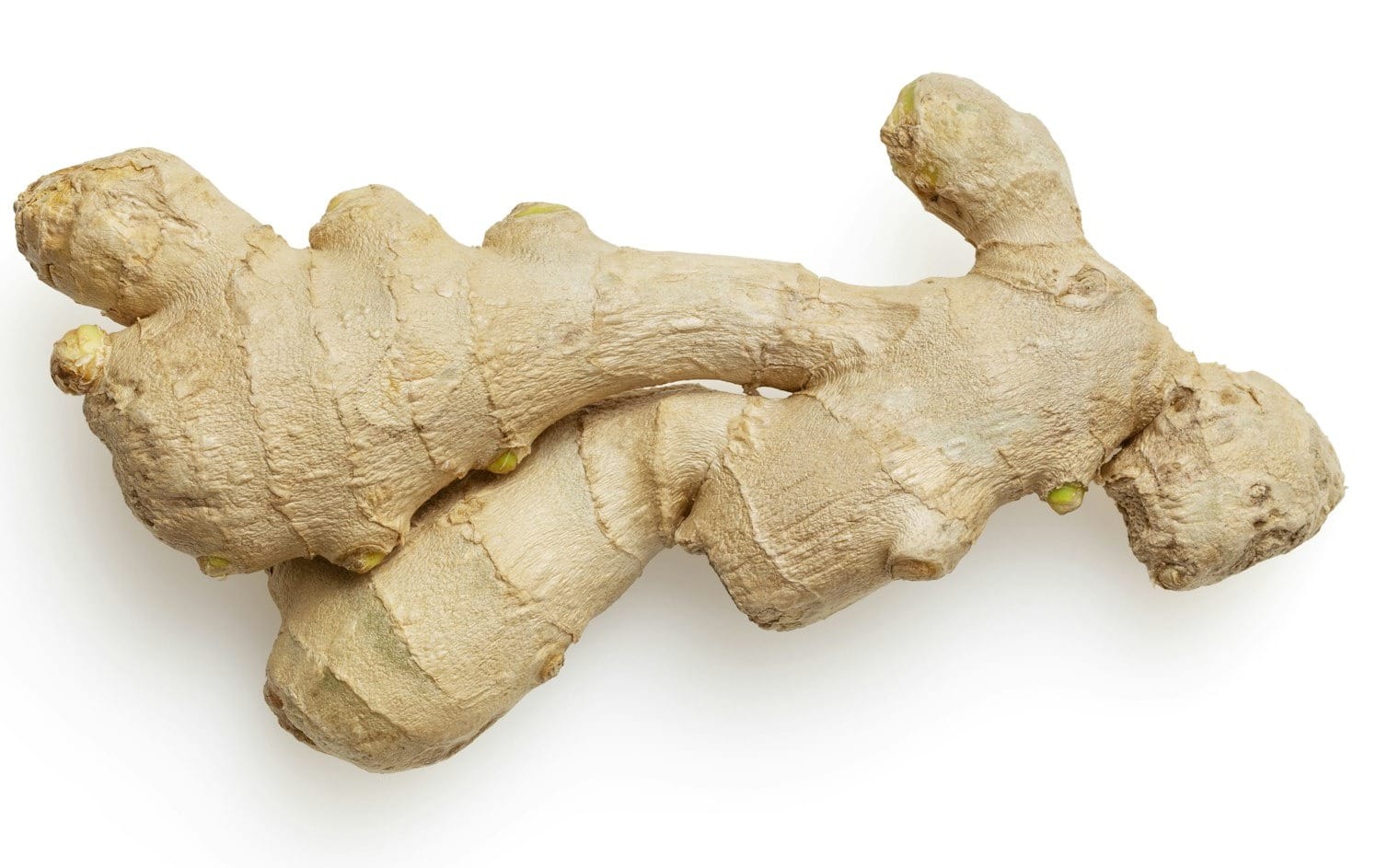
Garlic, Oregano, Neem, Andrographis, Goldenseal, Echinacea, Honey, Ginger, and Clove are the most important ones. Almost all of these are also antiviral and antifungal.
These herbs, such as garlic, neem, goldenseal, and honey, can also be applied to surface infections. Clove is often used for sore or infected teeth.
They come in tea, liquid, capsule, extract, and powdered forms.
You can eat garlic in food or chew it directly. Cloves and honey can be mixed into a tea for a sore throat.
I will be adding individual herb profiles to the article index by topic soon. Come back each week to read the new profiles!
I add quotes from the CDC and other official sources, so you know it is not just me, an herbalist, issuing these warnings about antibiotic use and why you should use herbs when you can.
When and how to take herbal antibiotics?
Take the herbs at the first signs of illness, such as achiness, fatigue, throat discomfort, sneezing, or other cold symptoms. The longer you are sick, the harder it is to stop the infection. Take the herbs until all symptoms are gone, plus several days.
Along with the herbs, take about 1000 mg of Vitamin C 3-4 times a day, along with zinc, Vitamin A, and Vitamin D. Take Vitamin C until you get to bowel tolerance, which means you stop if you get diarrhea, then back up about a thousand the next day.
Increase your fluid intake as well, especially if you have a fever.
Rest, stop the sugar and junk food!
If you are sick, you need to take the minimum dosage listed on the herb bottle 3 to 4 times a day to maintain sufficient levels in the bloodstream.
Take herbs 4 hours apart from any prescription drugs!
Increase dosage slowly after two days if you don’t feel the benefits!
Make soup with lots of onion and garlic!
Use honey and garlic tea for sore throats.
Support my work and website. Support me as I strive to provide you with articles and research that offer the truth about healing with herbs and alternative medicine. Support my website by clicking on the link here!